Over the past several months, I have had the opportunity to spend time with customers, prospects, and Kalibrate colleagues across Japan and Australia.
The two markets are separated by thousands of miles and have very different retail landscapes. Yet many of the conversations were remarkably similar. Fuel and convenience retailers are under pressure to make better decisions faster, respond to changing customer expectations, and find new sources of profitable growth.
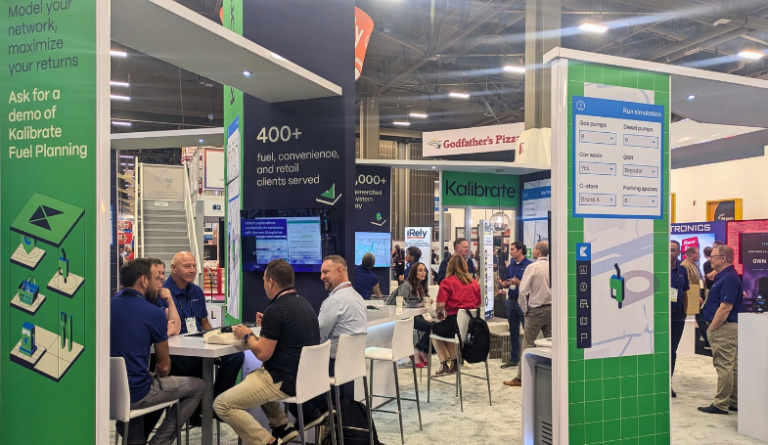
What varies is how those pressures show up locally. Different markets are moving at different speeds, adopting different formats, and solving similar problems in very different ways. As highlighted during discussions at NACS APAC, the future of fuel and convenience is not arriving everywhere at the same pace. Some markets are pioneering new formats, technologies, and customer experiences years ahead of others. The value of visiting customers in person is not simply seeing what is new. It is understanding which ideas may travel, which are rooted in local conditions, and what they reveal about the direction of the wider industry.
Australia: Rethinking the role of the fuel site
In Australia, our conversations reinforced that retailers are looking beyond traditional fuel pricing and network planning tools. Increasingly, they want a more connected view of their businesses: one that brings together location, customer, competitor, operational, and commercial data to support more confident decisions.
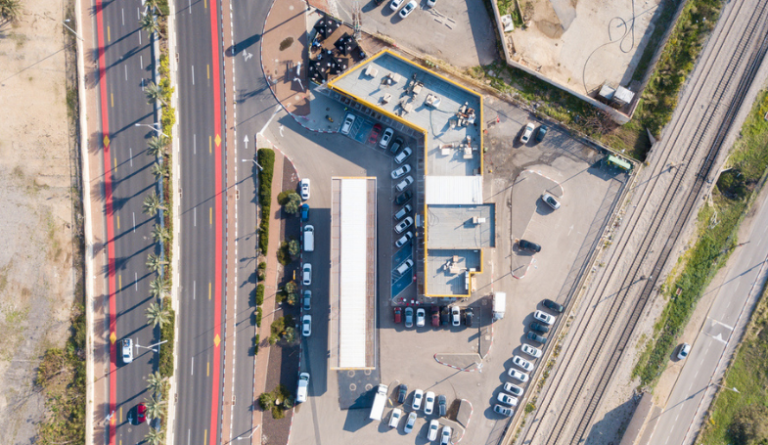
The growth of unmanned fuel sites is one of the clearest examples of how the market is evolving. These locations can provide an efficient way to serve motorists, extend network coverage, and operate in areas where a full convenience offer may not be commercially viable. They can reduce operating complexity and allow retailers to compete through accessibility, speed, and price.
However, an unmanned format changes the role a site plays within the wider network. Without a store or employees on site, operators have fewer opportunities to generate secondary spend, build a direct customer relationship, or differentiate through personal service. Convenience is therefore defined primarily by the absence of friction: how easily customers can enter, refuel, pay, and continue their journey.
That makes the quality of the location decision even more important. An unmanned site must be positioned where it can capture the right traffic, complement the existing network, and meet a clearly defined customer expectation. Retailers also need to understand whether new volume will genuinely be incremental or simply transfer from another site within their estate.
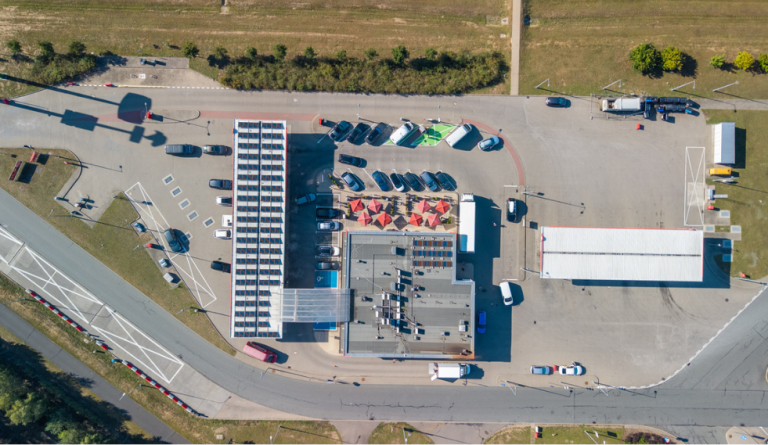
The format is unlikely to replace traditional fuel and convenience locations. Instead, it adds another option to an increasingly diverse network. A retailer may operate destination stores with extensive foodservice, compact neighborhood sites, highway locations, EV charging hubs, and unmanned forecourts, each serving a different need.
This reflects a broader lesson emerging across the Asia-Pacific region: there is no single model for the future of fuel retail. The strongest networks will not apply the same offer everywhere. They will use insight to determine the role each location should play and design the format around the missions it is best placed to serve.
Japan: Precision as a competitive advantage
In Japan, I spent time with our local team discussing how innovation continues to shape one of the world’s most advanced retail markets.
Japanese retailers consistently push the industry forward. They expect high-quality analytics, sophisticated planning capabilities, and solutions that help them operate with exceptional precision. In a mature and highly competitive environment, broad assumptions are rarely enough. Decisions need to reflect micro-local customer behavior, network dynamics, competitive intensity, and the specific potential of individual locations.
This precision extends beyond site selection. It influences how space is used, how products and services are matched to customer missions, and how retailers respond to changing expectations.
One of the strongest themes emerging from NACS APAC was that a successful retail offer is not simply about introducing new concepts or following the latest trends. It is about understanding customers’ desire and ensuring every element of a location is designed to serve it effectively.
That principle was equally relevant to our discussions in Japan. As markets become more complex, retailers cannot rely on a generic format or assume that concepts will perform consistently across every location. They need to understand which ideas are transferable, which require adaptation, and which depend on conditions that may not exist elsewhere.
The insights gained from these conversations continue to influence our product roadmap and customer strategy. They reinforce the importance of developing capabilities that are sophisticated enough to support advanced markets while remaining adaptable to local operating realities.
Similar questions, different answers
What made the trip particularly valuable was seeing how much our customers have in common, regardless of geography.
Whether in Tokyo, Brisbane, Melbourne, or elsewhere, retail leaders are wrestling with many of the same questions:
- How can we unlock more value from our data?
- How can we improve the speed and consistency of decision-making?
- How should our formats evolve as customer needs change?
- Which ideas from other markets are genuinely transferable?
- How do we position the network for sustainable, long-term growth?
The answers will not be identical. A model that succeeds in one country may depend on local demographics, land economics, regulation, labor costs, customer behavior, or digital adoption. Copying the visible format without understanding those conditions can lead to poor decisions.
The greater opportunity is to identify the thinking behind the format.
An unmanned site in Australia, a highly optimized location in Japan, or an innovative convenience concept seen elsewhere in the region may look very different. Yet each reflects the same underlying discipline: understand the customer mission, remove unnecessary friction, use the available footprint effectively, and make decisions based on the role of the location within the wider network.
That is the distinction between recognizing a genuine signal and simply following novelty. The objective is not to replicate every idea seen overseas. It is to understand why it works, determine whether the underlying conditions exist in another market, and build the capabilities required to act when the opportunity is right.
Local knowledge remains essential
I was equally proud to spend time with the Kalibrate team members supporting these markets. Their local expertise, customer focus, and commitment to innovation are critical to helping our customers succeed.
Data and technology can provide a consistent framework for decision-making, but they are most powerful when combined with a detailed understanding of the market. Local teams help interpret what the data means in practice, challenge assumptions, and distinguish between an idea that is globally relevant and one that is highly specific to a particular place.
These visits reinforced an important lesson. Markets may be developing at different speeds, but the pursuit of better insight, smarter decisions, and stronger customer outcomes is universal.
The retailers best positioned for what comes next will be those that look beyond the most visible trends. They will understand the forces behind them, decide what is relevant to their own customers and networks, and act with precision rather than simply following the market.