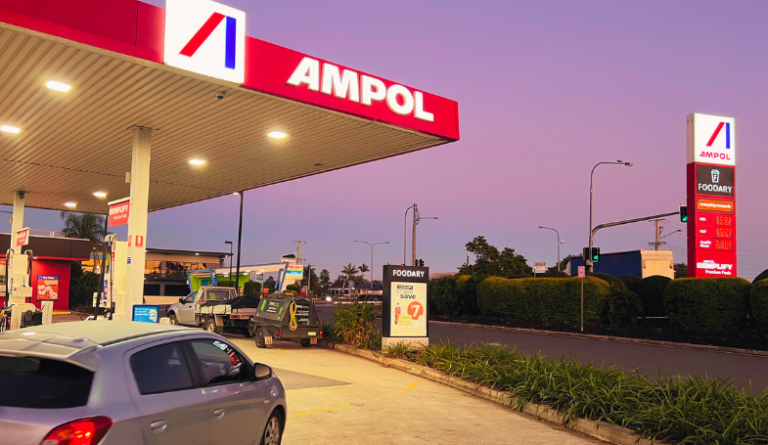
By adopting a “pricing by exception” approach, fuel retailers can automate their standard pricing decisions, allowing analysts to use their critical thinking skills and business knowledge to focus on the outliers that require their expertise.
What is fuel pricing by exception?
Fuel pricing by exception involves setting up automated rules for regular pricing decisions. These are the pricing decisions that your analysts do day in day out with little analytical input. These rules, checks, and validations mirror the normal decision-making process that your analysts would follow. When a price change falls within these predefined rules — it’s automatically applied.
However, if a proposed price deviates from these norms, you are alerted to review the prices and decide on the best course of action. This method ensures that your knowledgeable team actually spend their time analyzing, by concentrating on the most impactful pricing decisions rather than repetitive tasks.
Benefits of this approach
- Increased efficiency: Automating routine pricing tasks reduces manual work, freeing analysts to focus on strategic decisions.
- Consistent pricing strategy: Applying standardized rules ensures that your pricing aligns with your business objectives, leading to more predictable outcomes.
- Enhanced profitability: By focusing on exceptions, analysts can identify and act on opportunities that might otherwise be missed, improving margin and revenue.
Steps to implement pricing by exception
- 1. Define standard pricing rules: Establish clear guidelines based on factors like competitor pricing, desired profit margins, and market conditions.
- 2. Set constraints: Determine acceptable ranges for price fluctuations. For instance, decide how much margin you’re willing to sacrifice or the extent of deviation from competitor prices you’re comfortable with.
- 3. Automate routine decisions: Use fuel pricing software to apply these rules automatically, ensuring that standard price changes are implemented without manual intervention.
- 4. Monitor and adjust: Regularly review the outcomes of automated pricing to ensure they meet your business goals. Adjust rules and constraints as needed to adapt to changing market dynamics.
By adopting fuel pricing by exception, you enhance both efficiency and profitability, allowing your analysts to focus on strategic decisions that drive business success.